- Humans + AI with Ross Dawson
- Posts
- AI-augmented strategy, AI Centers of Excellence, strategies for workforce evolution, and more
AI-augmented strategy, AI Centers of Excellence, strategies for workforce evolution, and more

Launching Beta program for AI-Augmented Strategy platform
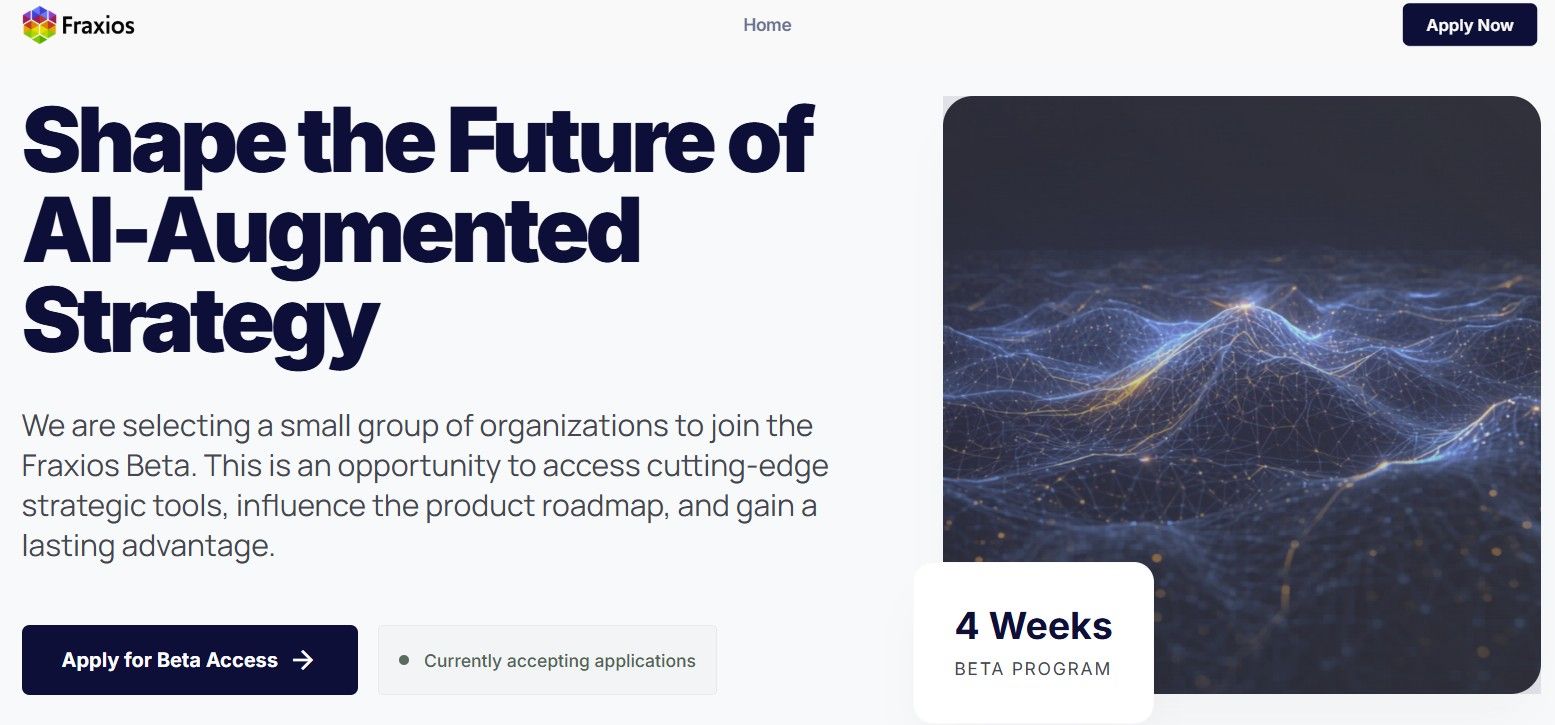
You are the first to know! My AI-Augmented strategy platform Fraxios will shortly be entering Beta. We are accepting a small number of organizations that want to be market leaders in applying AI to strategy. If you might be interested you can apply here for the Beta program.
As many I’m musing about the implications of Anthropic’s Mythos. It is clear that we are not hitting any limits on AI progress. The usual timeline is that frontier models are matched in the next 3-6 months by others, including the open weights LLMs. Which suggests that what appear to be exceptional capabilities, including in cyber defence - and attack - will be more broadly available before long.
Have a great week,
Ross
📖In this issue
Mini-Report: AI Centers of Excellence
AI in Enterprise Report:
Research: Are We Automating the Joy Out of Work?
Humans + AI Podcast: Marshall Kirkpatrick on cognitive levers, combinatorial possibilities, symphonic thinking, and compound learning
💡Mini-report: AI Centers of Excellence
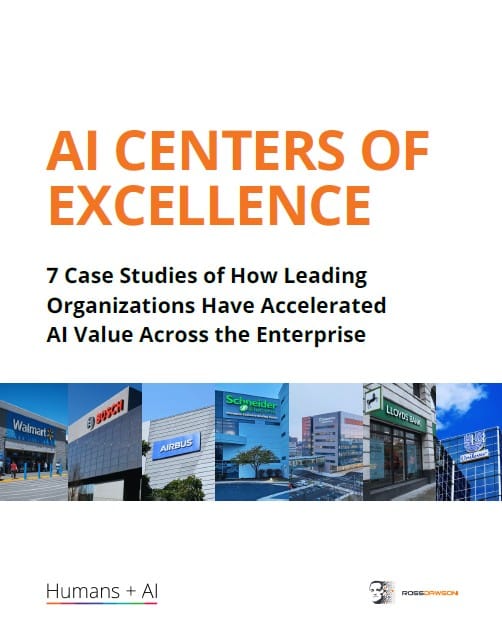
AI Centers of Excellence are rapidly becoming one of the most effective structural responses to a problem every large organization faces: how to move from fragmented AI pilots to coordinated, enterprise-wide value creation. As a dedicated hub for strategy, governance, expertise, and capability-building, a CoE removes the organizational friction that keeps AI stuck in pockets of the business.
This mini-report examines seven organizations that have built AI Centers of Excellence and scaled them into genuine enterprise assets — each with a different structure, mandate, and set of lessons. The cases span retail, manufacturing, aerospace, energy, healthcare, banking, and consumer goods. Together, they reveal patterns that matter far more than any single playbook.
💡AI in Enterprise Report
Strategies for Workforce Evolution (Deloitte)
🤝 Most people want to work with both humans and AI, not choose one or the other. The best approach is to design work so AI helps with analysis, drafting, and repetitive tasks while people stay central in judgment, coordination, and nuanced decisions.
⚡ AI is strongest when speed matters, but people still matter most when quality matters. Organizations should be explicit about which tasks can be accelerated with AI and which still need human review, oversight, or final ownership.
🎓 AI should be used to strengthen learning, not replace it. If companies automate away the tasks through which junior staff learn, they may gain efficiency now but weaken their future capability, so AI should also be used as a coach, guide, and skill-building support.
🧠 AI can help preserve expertise before it leaves the organization. It can support knowledge capture, help experienced workers document what they know, and make it easier for others to learn from that experience at scale.
🔄 The real opportunity is to use AI as part of a broader response to workforce pressure. As labor shortages, retirements, and skills gaps grow, organizations can use AI to extend capability, speed up development, and help people become productive faster.
💡Research
Are We Automating the Joy Out of Work?
This research maps over 10,000 workplace tasks across all U.S. occupations to reveal a fundamental mismatch between the tasks being targeted for AI intervention and the psychological traits workers actually want those AI systems to exhibit.
🎨 AI targets the most creative and fulfilling tasks. Tasks that workers associate with high levels of agency, happiness, and novelty are disproportionately exposed to AI automation and augmentation. While the traditional narrative suggests AI will handle routine "busywork," data shows that sectors like Arts, Architecture, and Engineering face the highest exposure because models can now credibly generate first-pass layouts and designs.
🤝 Human-centered work remains a durable stronghold. Tasks rated as least likely to be exposed to AI are those rooted in real-time, co-constructed meaning and nuanced social perception. Activities such as counseling students or building complex client relationships in education and healthcare depend on in-person interaction and emotional awareness that currently resist digital codification.
📉 A threat of mass demoralization is emerging. The central risk of current AI trajectories is not necessarily mass unemployment, but "mass demoralization" caused by a loss of ownership in daily work. As models generate more early-stage outputs, the visible creative steps can begin to feel machine-made, potentially leaving human contributions feeling rushed, under-resourced, and difficult to recognize.
🎙️This week’s podcast episode
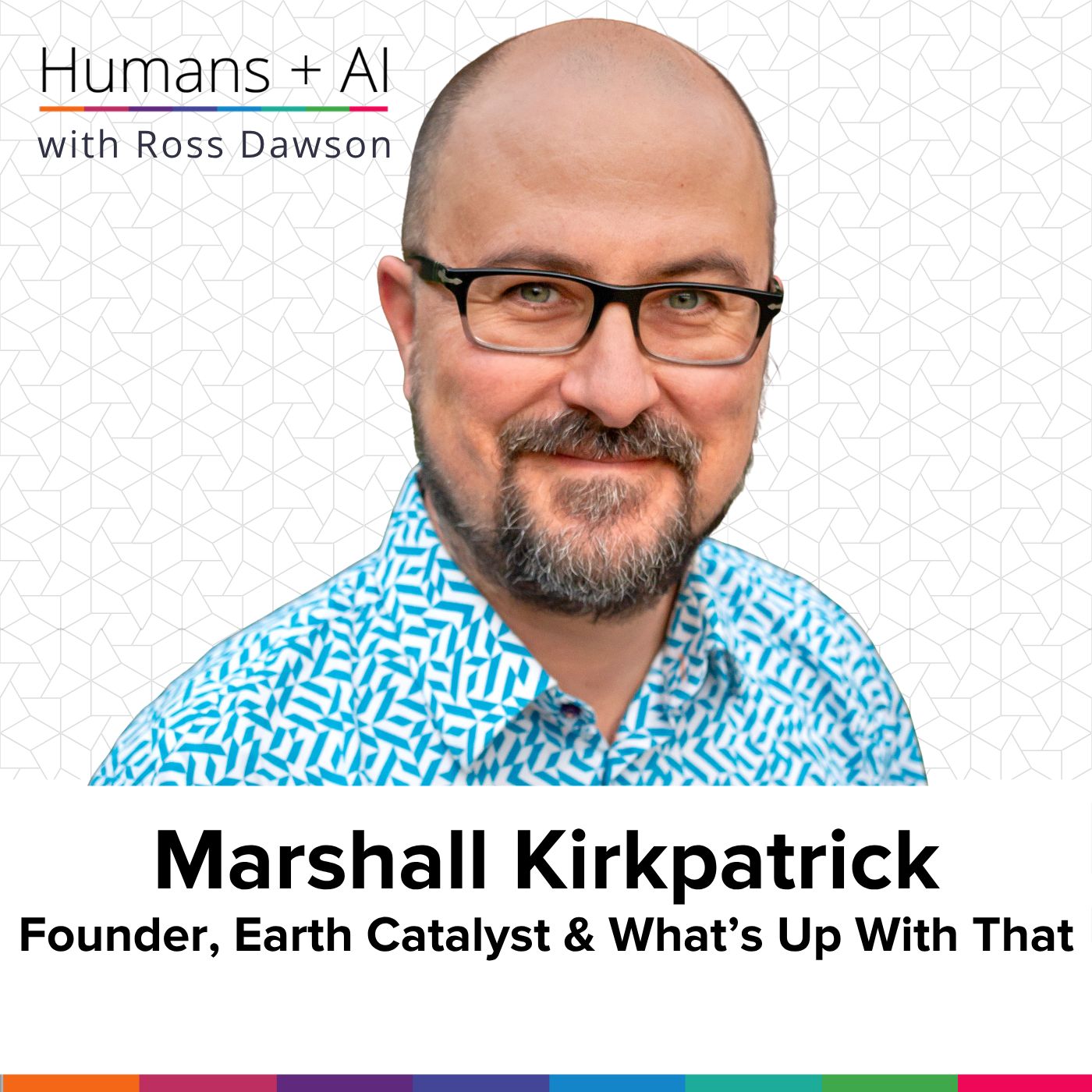 | Marshall Kirkpatrick on cognitive levers, combinatorial possibilities, symphonic thinking, and compound learning |
Why you should listen
Marshall Kirkpatrick is an OG thinker in augmented cognition, and one of the most insightful and pragmatic people in the space. Learn how he uses AI to augment cognition and complex thinking, and about the tools he has created to help everyone on this path.
Thanks for reading!
Ross Dawson and team